Hydro Jetting in Kitsap County, WA
Hydro jetting is the answer to a drain that keeps coming back. Water at high pressure strips the inside of the pipe rather than opening a channel through whatever is sitting in it, which is why it holds where a cable does not. It is also the wrong tool for some pipe, and we would rather find that out with a camera than with your sewer line. Sewer and drain jetting throughout the Kitsap Peninsula and out across the West Sound.
- Third generation in the trades
- Kitsap local. No ferry, no Narrows.
- Done right, Labor backed by a full year

- Third generation in the trades
- Kitsap local. No ferry, no Narrows.
- Done right, Labor backed by a full year
- Third generation in the trades
- Kitsap local. No ferry, no Narrows.
- Done right, Labor backed by a full year
- Third generation in the trades
- Kitsap local. No ferry, no Narrows.
- Done right, Labor backed by a full year
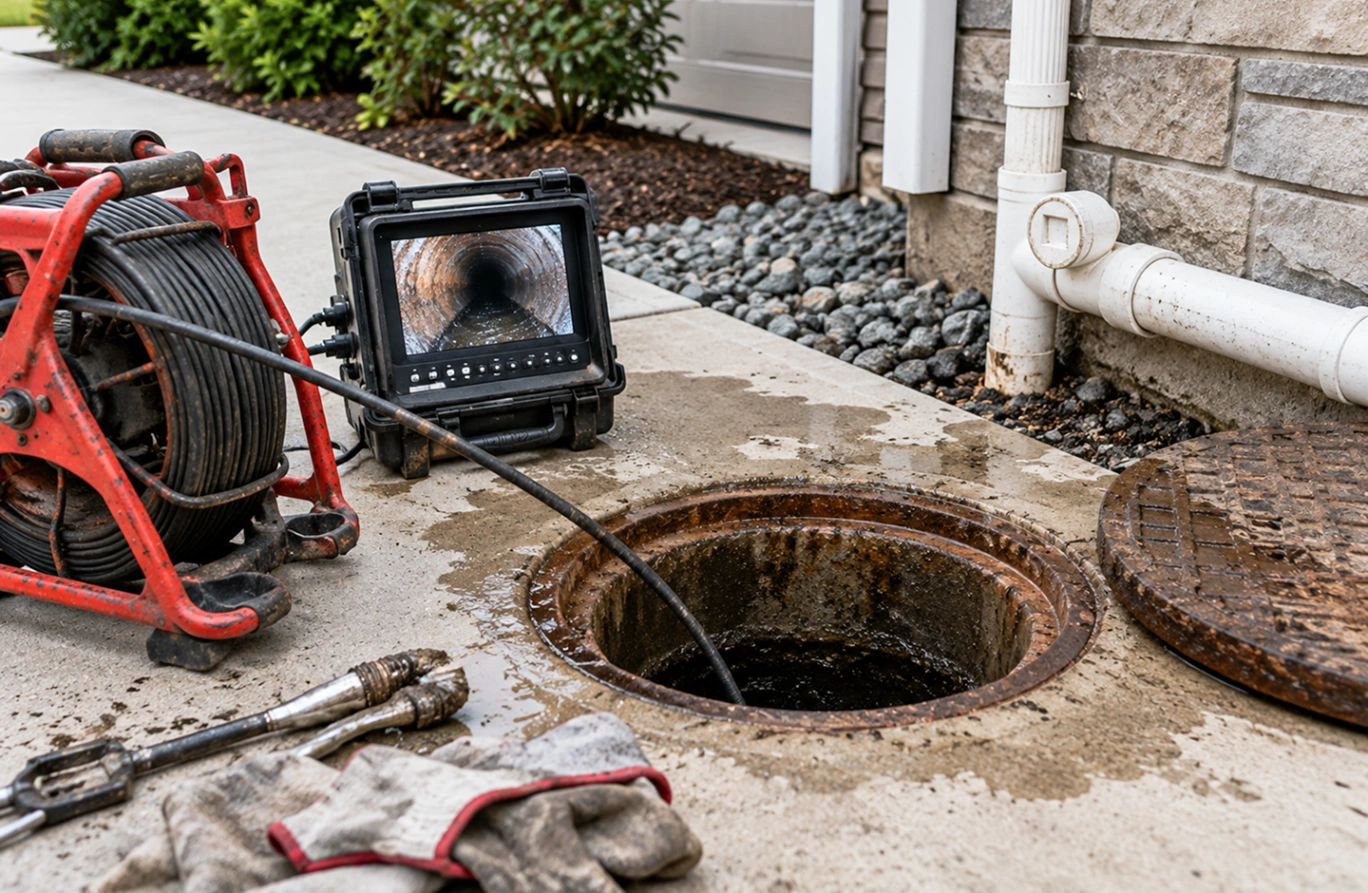
What Hydro Jetting |Actually Does|
Scouring the Pipe Rather Than Opening a Path
A cable makes a hole. A jetter cleans a wall. That distinction is the whole thing. Running a cable through a grease-lined kitchen branch restores flow because water can get past the obstruction again, but the grease is still there, and it starts collecting the moment the tap runs. Jetting takes the buildup off the pipe and flushes it downstream, so the line goes back to something close to its original bore.
Flow Rate Matters More Than Pressure
Pressure cuts, but volume carries. Most people ask about PSI, and PSI is what breaks up a hard blockage or cuts a root mass. What actually clears the debris out of the line afterward is gallons per minute. A machine with impressive pressure and no volume will chew through a clog and leave the residue sitting in the pipe for you to deal with next month.
The Nozzle Does the Thinking
Different jobs take different heads. A penetrating nozzle drives forward through a solid blockage. A rotating head is what deals with roots and hardened scale. A flusher nozzle aims most of its jets backward to sweep debris toward the cleanout.
Picking the wrong one wastes the trip. It is one of the reasons hydro jetting is not a rent-it-and-find-out job, and it is why the camera pass beforehand matters as much as the machine.
When Jetting |Is the Right Tool|
Clogs That Keep Coming Back
Recurring is the word that matters. If a drain has been cleared twice in a year, the clog is not the problem, the condition of the line is.
That is the clearest signal that high pressure drain cleaning is worth the difference over another cabling. One blockage is an event. Three is a pattern, and patterns have causes you can see on a camera.
Grease
Kitchen branches and grease are the classic case. The buildup coats the full circumference of the pipe and hardens as it cools, and it does not respond to a cable in any lasting way.
Drain jetting takes it back to bare pipe. On a line that has been collecting for years, the difference in flow afterward is obvious at the sink.
Root Intrusion
Roots come back because the entry point stays open. A rotating head cuts a root mass out far more thoroughly than a cutter on a cable does, which buys considerably more time. What it cannot do is close the crack or joint the roots came through, so jetting a root-infested lateral is maintenance rather than a cure. Where the line has reached the point of needing sewer line repair, we will tell you that instead of selling you an annual jetting habit.


When We Tell |You Not to Jet|
The Camera Goes In First
We look before we jet, every time. A camera tells us what the pipe is made of, what condition it is in, and whether the blockage is a blockage or a collapsed section pretending to be one. Jetting blind into an unknown line is how a drain call becomes an excavation.
Pipe That Cannot Take the Pressure
Some lines are not candidates and the honest answer is to say so. Badly deteriorated cast iron with the wall scaled thin, clay with offset or open joints, and Orangeburg, the bituminous fibre pipe used in a lot of mid-century construction, all fall into that category. So does a line with a section already crushed.
In those cases we fall back to ordinary drain cleaning, cable it gently, tell you what the camera showed, and talk about the actual fix. That is a worse day for our invoice and a better one for your yard.
Hydro Jetting vs |Snaking|
What Each One Is For
Cabling is faster, cheaper, and right most of the time. It handles a one-off blockage, a toy, a hair mat, a single grease plug, and it gets you back in service the same hour. Jetting costs more, takes longer, and is the right call when the pipe itself is the problem rather than the thing stuck in it.
Why We Often Start With the Cable
The lighter tool first is usually the honest sequence. If a cable clears it and the line has no history, that may genuinely be the end of it. We would rather you spend the smaller amount and find out. Jetting earns its cost when the drain has a record, and by then the record makes the case on its own.

The Jetter |Alex Built|
Why He Built It Instead of Renting One
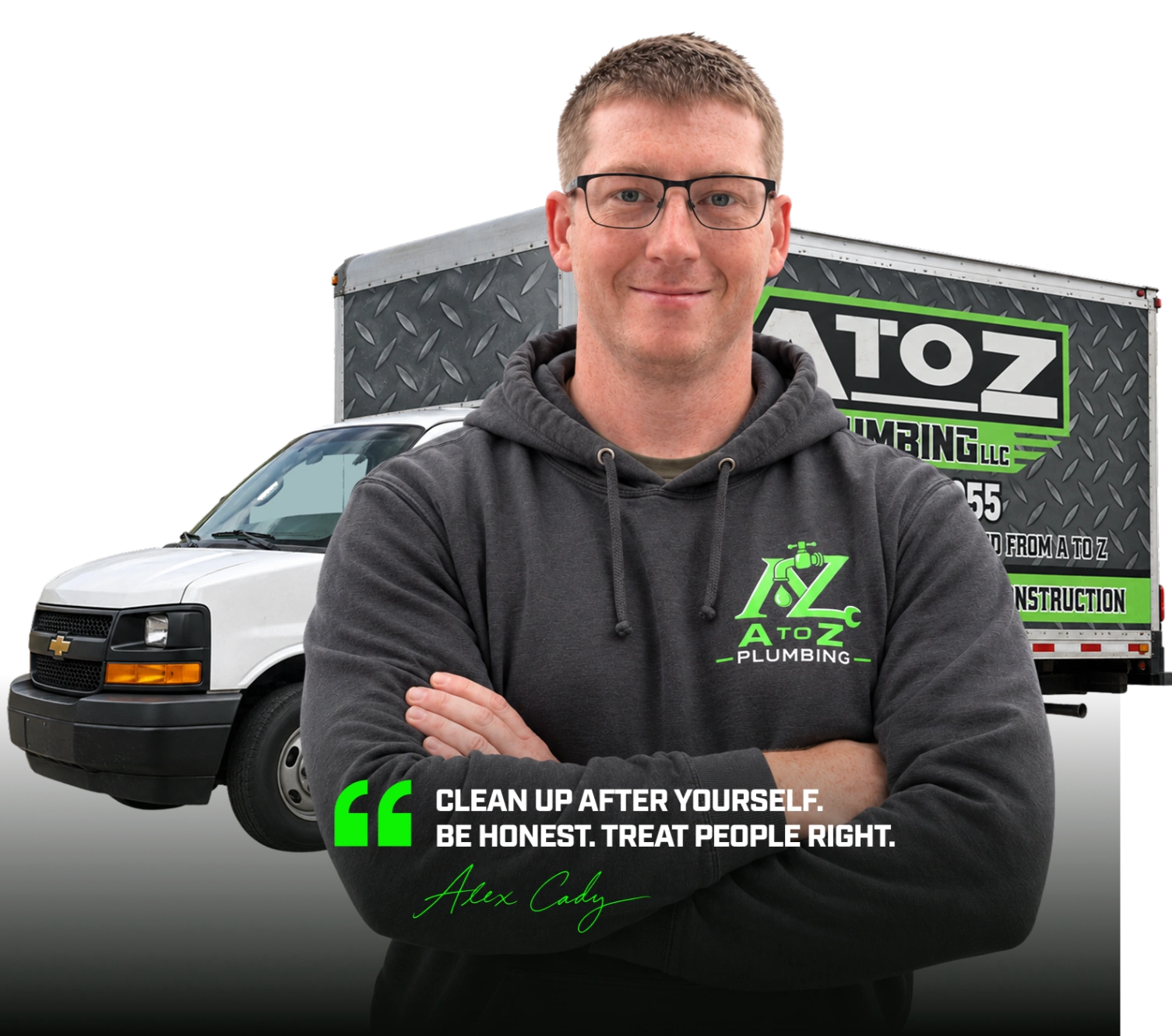
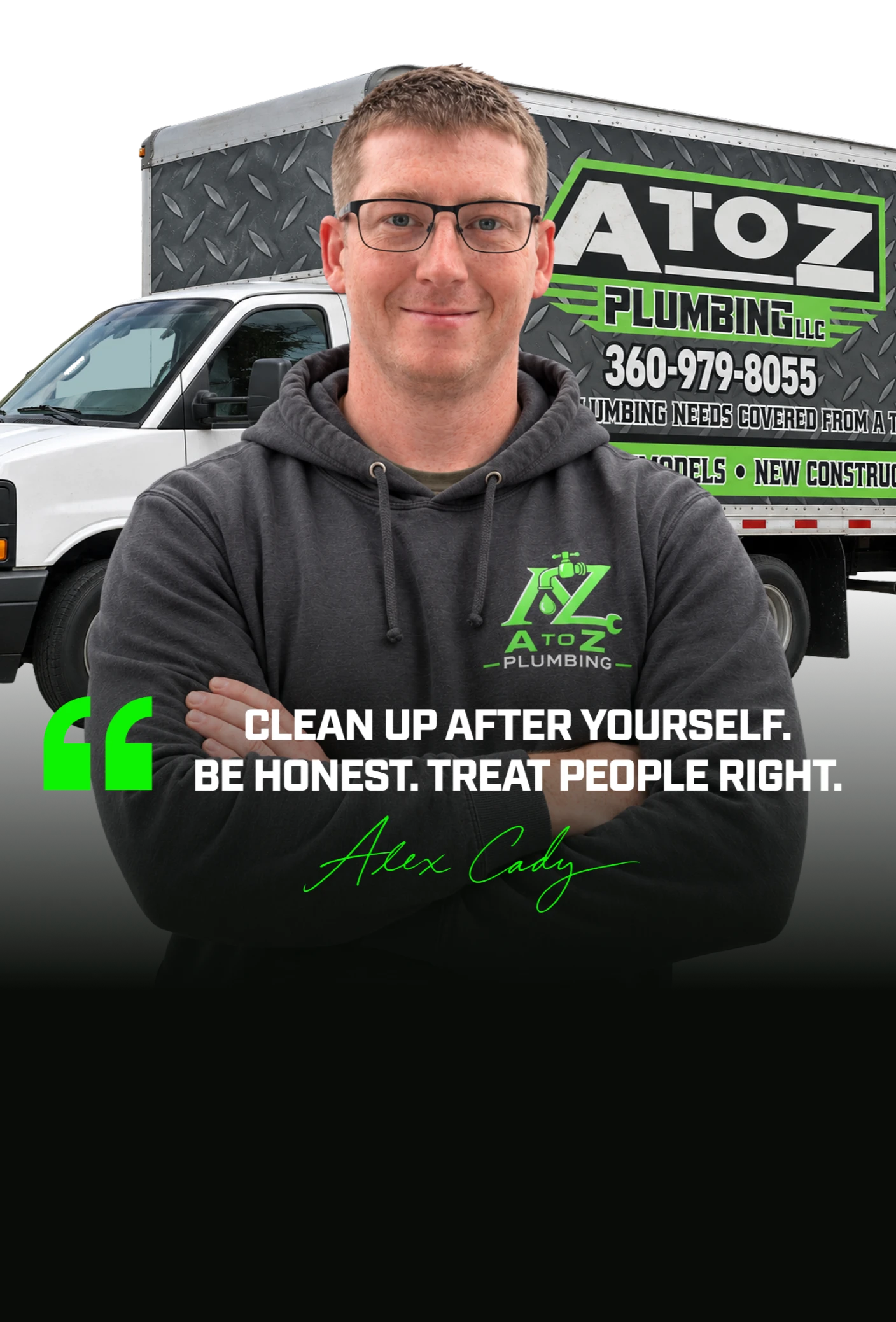
Alex built the machine this company runs on. Renting a jetter means whatever the yard has that morning, at whatever pressure and flow it happens to produce, with no idea how it has been maintained. Building it meant choosing the pump, the flow, and the reel to suit the residential lines around here rather than a generic spec.
What That Means for the Job
It means the machine is available and it is understood. No hire window driving the schedule, no learning a different unit on your property, and someone on site who knows exactly what the equipment does at each setting.
For a tool that puts water into your sewer line at pressure, that is not a small thing. It also means the sewer jetting gets done when your line needs it rather than when the rental yard opens.

Booking a |Jetting Job|
How the Work Is Quoted
Jobs with several lines are quoted per line rather than as one figure, and the rate improves as the count goes up, so doing the kitchen, the laundry, and the main in one visit costs less per line than three separate calls. You get the number before anything starts. Current offers
What Happens Once the Line Is Clear
We put the camera back down. Clearing a line and confirming a line are two different things, and the second pass is what tells you whether the pipe is now in good order or whether you are looking at a repair on a schedule you choose. You see the screen; we are not describing it to you from memory.
A full year on parts and labor sits behind the work, and the site gets left clean, which on a jetting job takes some doing.
What Kitsap Says: "Wish We'd Found You Sooner"
See what homeowners around Kitsap have to say about working with Alex and the A to Z team.

A to Z plumbing is by far the best plumbing company out there. They are so fast to respond to your issues. They are reasonably priced and won’t charge you for things you don’t need. 100% recommend.

August 23, 2023

Alex and Michael have done outstanding work on three different plumbing issues. They respond quickly to scheduling work, show up on time, and work efficiently. They are very knowledgeable about each issue I presented. They quote pricing up front so there are no surprises. They are fair in their pricing. They are friendly and always leave a clean work area. I would highly recommend A to Z Plumbing. I know we will ALWAYS call them for any plumbing needs.
July 17, 2024
Great customer service, quality workmanship and Alex is just a great guy to work with.
August 8, 2026
My husband and I are very pleased with Alex’s work. He is very professional and trustworthy We enjoyed working with him. We will definitely use him again and be happy to refer him and his company to anyone looking for a reliable and service-oriented plumber!
September 9, 2025
Alex and Tanner were amazing! We had an interesting, and I would say challenging, situation that needed to be addressed in several ways. They were both professional and competent. Alex returned messages and calls promptly, and addressed all the hiccups we encountered quickly. He is a kind and honorable person – we are SO glad we called A to Z plumbing, and will absolutely call them for all our plumbing needs!
September 9, 2025
10/10 Would recommend. A to Z plumbing came out to repair a busted water main for me as an emergency service. Alex and his team arrived within 15 minutes of my emergency and remained cool, calm and collected. They worked together to solve the problem quickly and efficiently. They were knowledgeable and professional from start to finish. I couldn’t be happier with their service and I will be using them again for future plumbing related services. A to Z plumbing had clear pricing that was consistent with their industry. If you want something done right, don”t do it yourself. Just call A to Z plumbing and enjoy your peace of mind.
March 9, 2026


Questions Homeowners Ask Before We Come Out
Is hydro jetting safe for older pipes?
It depends entirely on the pipe, which is why we camera it first. Sound cast iron, ABS, PVC, and most clay in reasonable condition handle it fine. Thin-walled corroded iron, open or offset clay joints, and Orangeburg do not. If yours is in the second group we will tell you before the hose comes off the reel.
Is jetting worth it if a cable has already cleared the drain?
If the drain has no history, probably not, and we will say so. If it has been cleared before, then the cable is treating a symptom on a line that has a condition. That is the point at which jetting stops being an upsell and starts being the cheaper option across a couple of years.
Does hydro jetting actually get rid of roots?
It removes them thoroughly, far more so than a cable does, and the line stays clear much longer. It does not close the joint or crack the roots came in through, so they will find their way back eventually. Jetting manages a root problem well; only a repair ends one.
How long should a line stay clear after jetting?
On a grease-related kitchen line with normal use, often years. On a lateral with active root intrusion, usually a season or several, depending on how open the entry point is. The camera pass afterward is what lets us give you a realistic answer for your line rather than a general one.
Can you jet a line on a septic system?
Yes, with care about volume, because a jetter puts a meaningful amount of water into the system in a short time and a tank that is already near capacity does not need the help. We check what the system is doing first. If the tank is the actual problem, jetting the line will not fix it and we will point you to the right trade.
How much mess does jetting make?
Less than people expect, because the work happens at a cleanout and the debris goes downstream rather than into the house. Where there is no accessible cleanout it takes more setup and more protection. Drop cloths go down either way and the area gets left clean.