

Sump Pump Installation in Kitsap County, WA
A sump pump does nothing for most of the year and then earns its whole cost in one wet week. Installation, repair, and replacement for houses throughout Kitsap, Mason, and Pierce County, including battery backup systems for the winter storms that take the power out at exactly the moment the pump is needed most.
- Third generation in the trades
- Kitsap local. No ferry, no Narrows.
- Done right, Labor backed by a full year



- Third generation in the trades
- Kitsap local. No ferry, no Narrows.
- Done right, Labor backed by a full year
- Third generation in the trades
- Kitsap local. No ferry, no Narrows.
- Done right, Labor backed by a full year
- Third generation in the trades
- Kitsap local. No ferry, no Narrows.
- Done right, Labor backed by a full year
Groundwater |or a Leak?|
Working Out Which One You Have
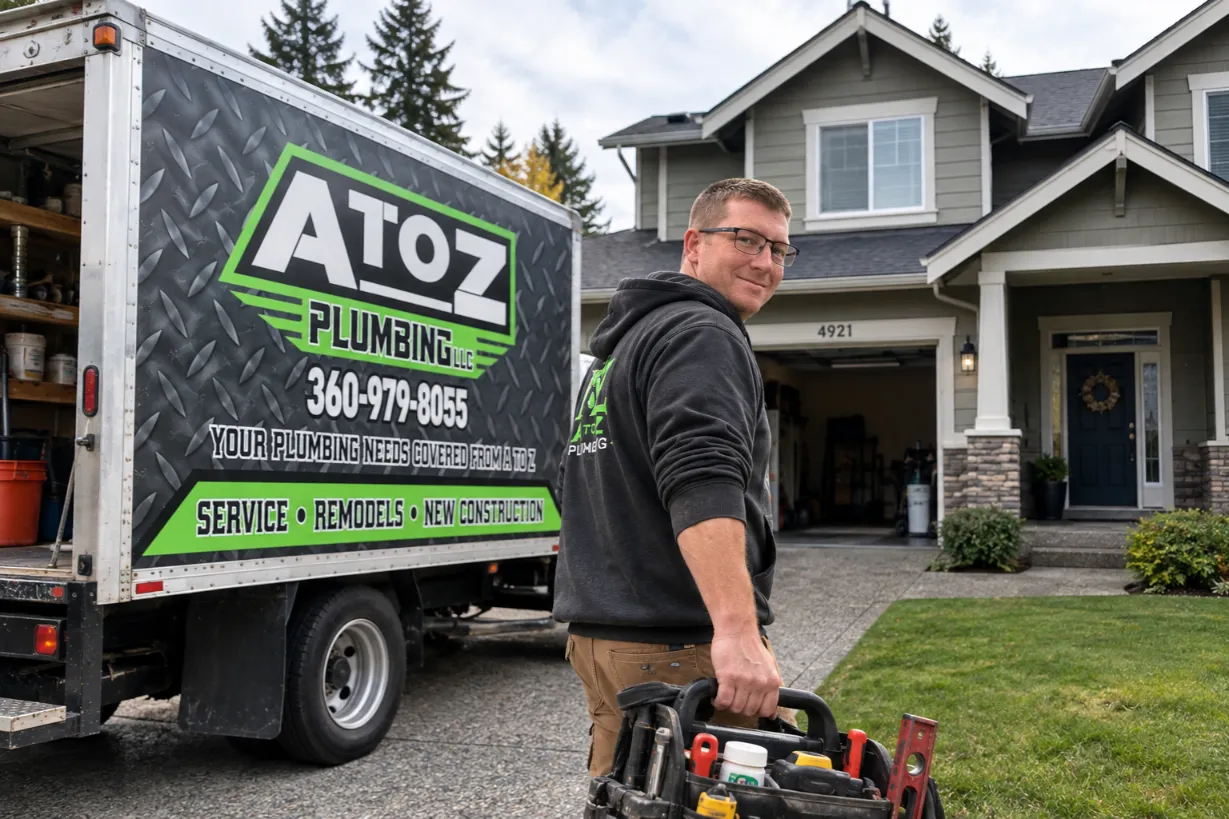
Groundwater arrives when it rains and disappears when things dry out. It comes up through the ground, collects at the low point, and follows the weather. If your crawl space or basement is wet during a stretch of rain and dry a fortnight later, that is groundwater, and a pump is the right answer.
A plumbing leak does not care what the weather is doing. Water that is present in August, that is warm, or that sits in one spot with no obvious path from outside, is a different problem with a different fix.
When It Turns Out to Be Plumbing
We would rather find a leak than sell you a pump. Installing a sump pump to manage water coming out of a failed supply line means paying to move your own water around your own property indefinitely. If what we find looks like a leak, we say so. That is leak detection work rather than a pump job.
Installation
The Basin and Where It Sits
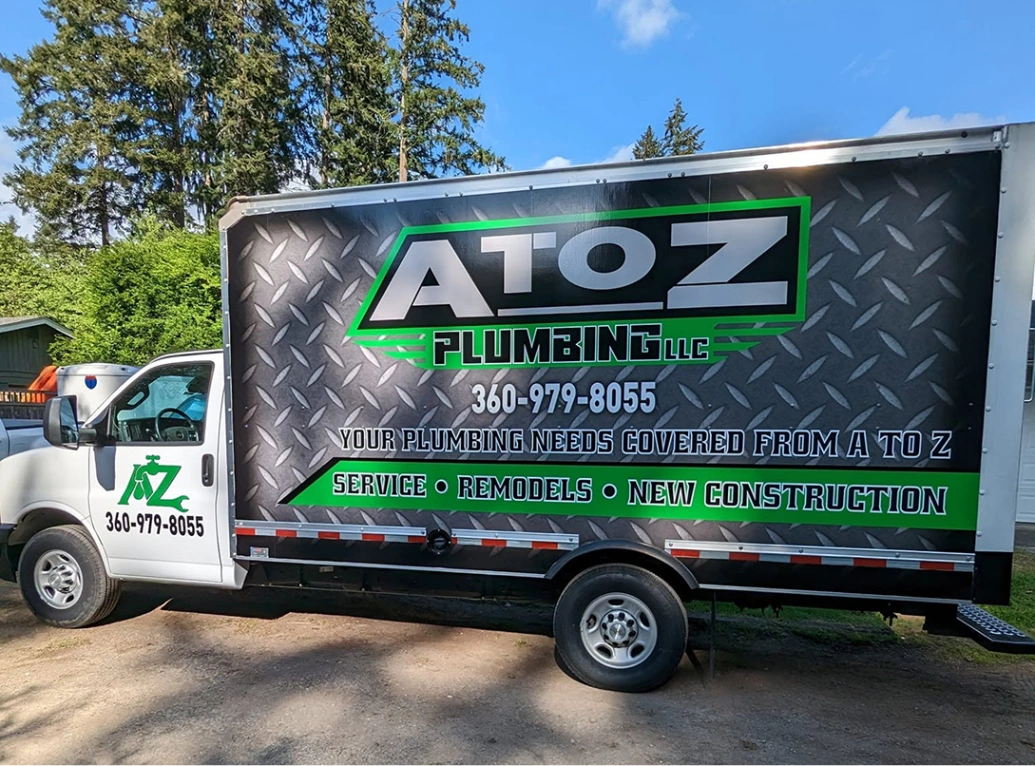
Sump pump installation starts with the basin, and it goes at the low point, which is not always where you think it is. Water finds the lowest spot available and collects there, so siting the basin means reading the ground rather than picking a convenient corner. A basin in the wrong place leaves standing water four feet away from a perfectly good pump.
The basin also needs a lid. An open pit in a crawl space raises humidity into the floor above it and gives the space a smell that is difficult to trace afterward.
Choosing the Pump
Submersible or pedestal, and then capacity. Submersible units sit in the water and run quieter, which matters when the basin is under a bedroom. Pedestal units keep the motor above the water and are easier to service. Capacity gets matched to how fast the basin actually fills during a wet week, not to whatever was in the box last time.
Where the Water Goes Afterward
The discharge line is the half of the job people forget. It has to carry water far enough from the foundation that it does not simply return, it needs a check valve so the column does not drain back into the basin every cycle, and it must not discharge somewhere that creates a problem for a neighbour.
It also must not go into your septic system or your sewer. Groundwater is not wastewater, and sending a pump’s worth of it into a septic system overwhelms the drainfield it depends on. Drain cleaning is the separate conversation for anything actually wastewater.

Battery Backup and |Losing Power|
Why Storms Are the Whole Problem
The wind that knocks the power out is attached to the rain that fills the basin. That is the entire argument for a backup system on this peninsula.
A pump on mains power alone stops working during precisely the weather it exists for, and a crawl space fills quietly while nobody is home to notice.
How a Backup System Works
A second pump on its own float, powered by a battery, sits above the primary. In normal conditions it never runs. When the primary fails, or the power goes, the water rises to the second float and the backup takes over. Runtime depends on battery capacity and how hard it has to work, and we will give you a realistic figure rather than a best case.
Repair and |Replacement|
It Hums but Nothing Moves
Usually a jammed impeller or a stuck check valve. Debris gets into the basin, the impeller binds, and the motor draws without turning. Sometimes it is simply that the discharge line is blocked or frozen at the outlet.
It Will Not Start at All
It Runs and Runs
A pump cycling constantly in dry weather is telling you something. Either the check valve has failed and it is pumping the same water repeatedly, the float is set too low, or groundwater is genuinely arriving faster than the site should be producing it. All three are worth diagnosing rather than living with.
When Replacement Is the Better Call
These are consumable pieces of equipment. Most run somewhere in the region of a decade, less if they cycle hard every winter. Once a unit is past that and has failed once, sump pump replacement usually costs less than the second call-out plus the damage from the failure that prompted it.
Kitsap |Conditions|
Daylight Basements and Slopes
A great deal of housing here is built into a slope. Daylight basements and hillside crawl spaces put one wall of the house below grade with wet ground pressing against it, and that is the classic situation for a pump.
Waterfront and bluff properties add a high water table to the same picture, which is why two houses on the same street can have completely different experiences of the same wet week.
The Wet Season Does the Testing
Between October and March this ground stays saturated. A pump that struggled last winter will not have improved over summer, and the sensible time to deal with it is a dry week in September rather than the first weekend it rains sideways.
Keeping It |Working|
Testing It Before You Need It
Pour a bucket of water into the basin and watch what happens. The float should rise, the pump should start, the water should go, and it should shut off cleanly. Do that twice a year, and once more before the wet season starts. It takes two minutes and it is the difference between finding a dead pump in September and finding it in January.
While you are there, check the discharge outlet is clear and that nothing has grown over it during the summer.
The Year Behind It
A full year on parts and labor, and the crawl space left as we found it, which on this particular job means drier. We cover the whole peninsula plus Belfair, Allyn, and the Gig Harbor side. The deals page shows what is running.
What Kitsap Says: "Wish We'd Found You Sooner"
See what homeowners around Kitsap have to say about working with Alex and the A to Z team.

A to Z plumbing is by far the best plumbing company out there. They are so fast to respond to your issues. They are reasonably priced and won’t charge you for things you don’t need. 100% recommend.

August 23, 2023

Alex and Michael have done outstanding work on three different plumbing issues. They respond quickly to scheduling work, show up on time, and work efficiently. They are very knowledgeable about each issue I presented. They quote pricing up front so there are no surprises. They are fair in their pricing. They are friendly and always leave a clean work area. I would highly recommend A to Z Plumbing. I know we will ALWAYS call them for any plumbing needs.
July 17, 2024
Great customer service, quality workmanship and Alex is just a great guy to work with.
August 8, 2026
My husband and I are very pleased with Alex’s work. He is very professional and trustworthy We enjoyed working with him. We will definitely use him again and be happy to refer him and his company to anyone looking for a reliable and service-oriented plumber!
September 9, 2025
Alex and Tanner were amazing! We had an interesting, and I would say challenging, situation that needed to be addressed in several ways. They were both professional and competent. Alex returned messages and calls promptly, and addressed all the hiccups we encountered quickly. He is a kind and honorable person – we are SO glad we called A to Z plumbing, and will absolutely call them for all our plumbing needs!
September 9, 2025
10/10 Would recommend. A to Z plumbing came out to repair a busted water main for me as an emergency service. Alex and his team arrived within 15 minutes of my emergency and remained cool, calm and collected. They worked together to solve the problem quickly and efficiently. They were knowledgeable and professional from start to finish. I couldn’t be happier with their service and I will be using them again for future plumbing related services. A to Z plumbing had clear pricing that was consistent with their industry. If you want something done right, don”t do it yourself. Just call A to Z plumbing and enjoy your peace of mind.
March 9, 2026


Questions Homeowners Ask Before We Come Out
How do I test my sump pump?
Pour a bucket of water slowly into the basin until the float lifts. The pump should start on its own, clear the basin, and switch off without cycling back on. If any part of that does not happen, it needs looking at. Twice a year is enough, with one of those before the rain starts.
Do I actually need a battery backup?
If losing the pump would mean water in a finished space, yes. Around here the power tends to go out during the same storms that fill the basin, so a mains-only pump is offline exactly when the water is arriving. If the space below is an unfinished crawl and you are home most of the time, it is more of a judgement call.
Can the pump discharge into my septic system or the sewer?
No. Groundwater is clean water and it does not belong in either. Sending it to a septic system floods the drainfield that the system depends on, and sewer connections for groundwater are not permitted. It goes to a suitable point outside, away from the foundation and away from your neighbour’s ground.
My crawl space is damp but there is no standing water. Do I need a pump?
Possibly not. Damp without pooling is often a ventilation or vapour barrier issue rather than a pumping one, and a pump will not fix humidity. Worth having someone look before spending on equipment, because the right fix may turn out to be a much smaller job.
How long should a sump pump last?
Roughly a decade is typical, and less for a unit that cycles hard through every wet season. Age alone is not a reason to replace one that tests correctly, but a pump past ten years that has already failed once has told you what it plans to do next.
Why does my pump keep running when the ground is dry?
Most often a failed check valve, which lets the water in the discharge line fall straight back into the basin so the pump lifts the same water over and over. A float set too low does something similar. Either way it is short-cycling, and short-cycling is what wears a pump out early.